What Does it Mean to Garden Ecologically?
Ecological gardening is the practice of working with nature to create sustainable, biodiverse landscapes that support local ecosystems and native species without relying on chemicals and high-resource inputs. In contrast, conventional gardening tends to focus on controlling nature with fertilizers, pesticides, and herbicides. Conventional gardens often prioritize aesthetics and rapid plant growth, typically using more water, energy, and resources, thus producing a larger carbon footprint.
Why Garden Ecologically?
Humans love plants! We grow them in our yards and gardens, on patios, or in any outdoor spaces we have. There are myriad ways and reasons to grow green stuff, and the climate is an important one because healthy, native plants can reduce our greenhouse gas (GHG) emissions!
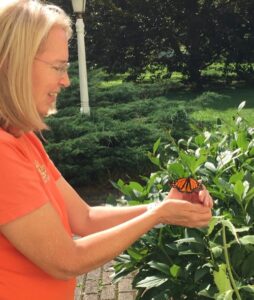
Gardening ecologically is an incredible learning opportunity. Why not plant with the children in your life? In planting a tree, growing vegetables or herbs, or creating a flower garden, you can teach them about the amazing carbon cycle. If you’re a bird, bug, or pollinator enthusiast, boost biodiversity by developing a beautiful and resilient landscape with plants that supply food for these creatures.
No room for gardening? Rent a plot at one of the Acton Community Gardens. Volunteer at the Acton Arboretum, join the Acton Garden Club, or install a pollinator garden at your place of worship. (Acton’s Congregation Beth Elohim has a lovely pollinator garden.) Share conservation areas with your children and friends. Go on a walk with the Acton Conservation Trust and learn about the critical role that forests play in supporting healthy watersheds and a healthy climate.
There are SO many ways to garden! Adopt a gardening buddy, round up your own kids or the neighborhood crew, or get your book group together to plant, tend, and harvest. You can do this in pots/containers, as well as in yards. There are SO many ways to “get dirty and do good” through gardening — and in the process, you’ll find pleasure, foster healthier ecosystems, and pull carbon down into the soil.
How Can You Learn More About Ecological Gardening?
Look as resources from great local groups, such as the Native Plant Trust and Grow Native Massachusetts. Check the links below to watch the recent talks co-sponsored by EnergizeActon.org, the Acton Garden Club, and the Acton Conservation Trust.
- “Garden as If the Earth Matters: Planting for Biodiversity and Climate Resilience,” with Anna Fialkoff of the Wild Seed Project in Maine (click HERE to view);
- “Gardening for Climate Resilience” with Trevor Smith of Weston Nurseries (click HERE); and
- “The Trees Are Speaking: Dispatches from the Salmon Forests,” by Landa Mapes, recently retired reporter from the Seattle Times. (Click HERE.)
Also, see the detailed “Sustainable Landscape Handbook” on Concord’s sustainability website. If you want help designing, installing, or maintaining your garden for maximum health and biodiversity, check out ideas in the Steps to Take section, below.
Key Principles When Gardening for the Environment and Climate:
- Do No Harm: Soil can be an extraordinary community of microorganisms that sequester (store) carbon. But the current emphasis on “manicured” lawns and gardens is resulting in use of pesticides, synthetic fertilizers, and a limited variety of (largely non-native) plants. All of these factors diminish our soil. Consider decreasing your lawn size, avoiding use of synthetic fertilizers and pesticides that wreak havoc with the environment, and planting native, pollinator friendly plants.
- Feed Your Soil a Healthful Diet: Instead of synthetic chemicals, use compost (see the “Make Magic Compost” Action.) Also, try not to remove what nature gives to the soil. For example, limit leaf litter removal. Leaf litter is nature’s way to feed soil and recycle carbon. The leaves in your yard also provide winter habitat for many beneficial insects. Adopt the slogan, “Leave the Leaves!”
- Encourage Biodiversity: Plant yummy vegetables, but also think about wonderful native perennials that encourage native pollinators and keep our ecosystems resilient. Consider interplanting perennials and food plants for visual variety, useful food, and attraction to more-biodiverse organisms — thereby creating a vibrant backyard feast shared by you and the web of life.
- Spread the Word: Tell your family, friends, and neighbors about your experiments with gardening. If you use a lawn maintenance service, let those folks know you want a more healthful lawn and landscape by sharing the information in these bullet points with them.