Solar Panels Provide Clean Energy and Pay for Themselves
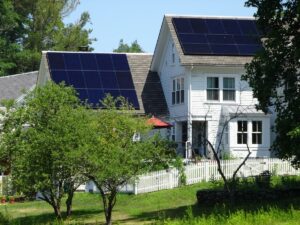
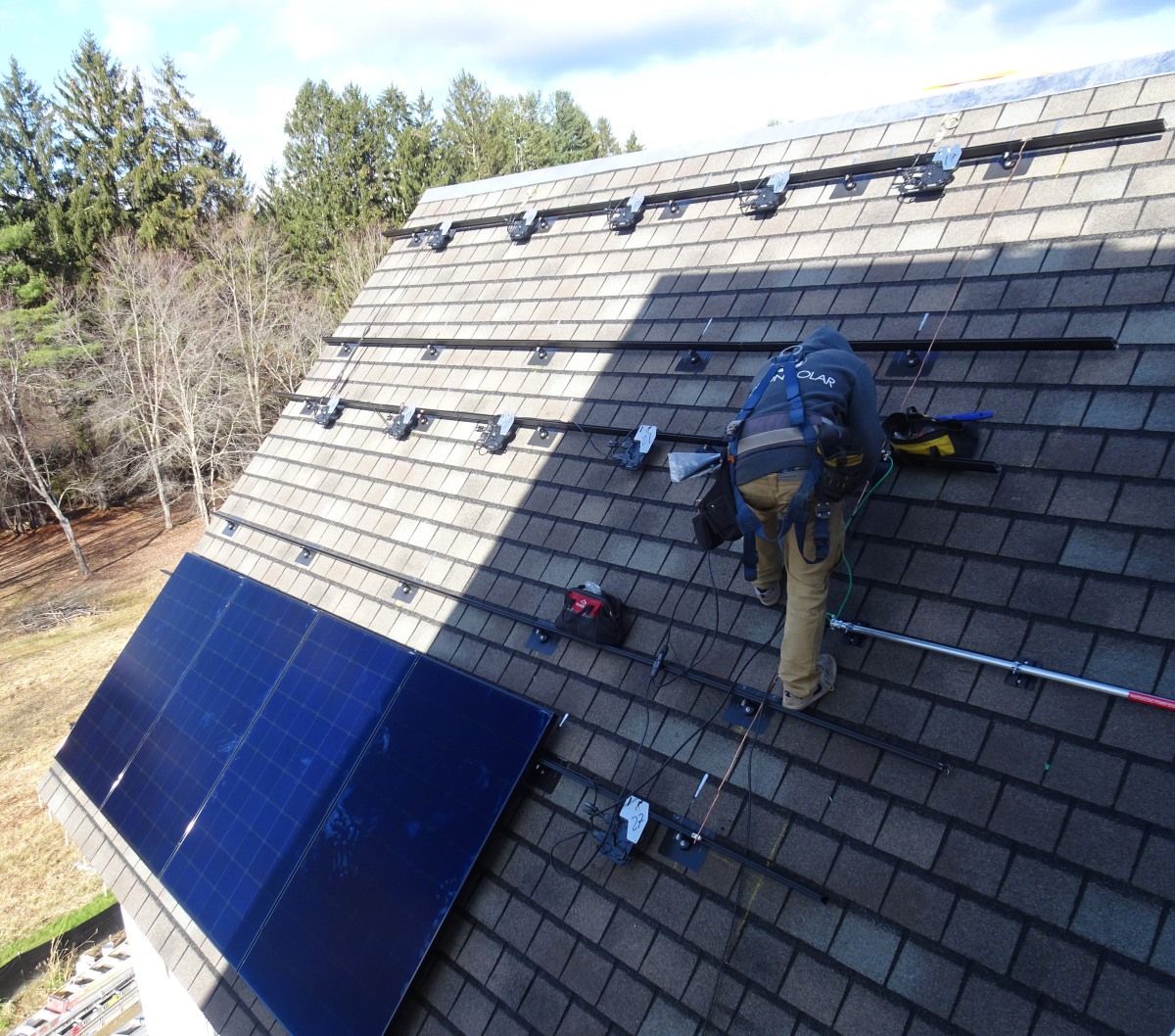
A solar (photovoltaic or PV) system creates renewable, carbon-free electricity. Solar arrays can be installed on rooftops or in ground-mount infrastructure. Depending on the size of the array, the out-of-pocket cost for rooftop solar in 2026 can range up to $33,000, according to EnergySage (a service to help homeowners compare their solar options). However, according to EnergySage, the projected electricity savings over 25 years is $155,000! Plus, the average residential PV installation is estimated to reduce carbon emissions by approximately 2.5 tons/year.
Solar panels generate renewable electricity. Despite the sad loss of federal incentives, solar is still an excellent investment for many homes and other buildings. The Massachusetts system of net-metering (where homeowners receive credits for home solar generation that goes back into the grid) is one of the best in the country. Plus, there is a Massachusetts tax credit of up to $1000. Finally, solar owners may receive modest benefits from the Massachusetts Department of Energy Resources (DOER) SMART program where they are paid for every kWh of electricity their system produces.
Solar in Acton
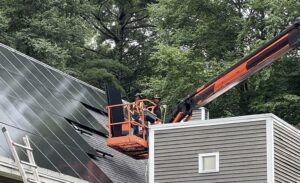
Through 2023, more than 610 homeowners in Acton had installed a total of 5,150 kW AC of rooftop PV systems, up 40% since early 2021 when EnergizeActon was started, with an average size of 8.4 kW AC. There were also at least 15 larger or non-residential projects operating, including the 1,590 kW array at the Acton Transfer Station; the 8 projects since the start of 2020 average 920 kW in size. This total operational solar capacity in Acton is about 15,000 kW (or 15 MW), more than double the capacity installed in early 2021 when EnergizeActon was started. There are also several additional large, non-residential projects that have been completed like The Acton Water District’s Lawsbrook Solar (4.7 MW) and battery storage system and their Knox Solar (1.5 MW) and battery storage system that directly support their operations.
So there are lots of neighbors you can speak with to find out how much they like their solar power systems!
Options to buy or finance your solar array
- Purchase outright: This provides you 100% of the savings from the sun’s rays, plus a Massachusetts tax credit of up to $1,000, and a quarterly credit from the current MA SMART solar program (the amount of which depends on your system’s kWh [kilowatt hour production]), not to mention the great net-metering program, where your real savings are seen.
- Finance with a loan: This provides all the benefits of outright purchase, but also means you have a loan payment. Some banks offer low-interest-rate solar loan programs for terms of 5–7 years. The Commonwealth also offers solar financing options through the Energy Saver Home Loan Program. This means that, typically, a solar array will have been paid for within that 5–7 year term. This will depend somewhat on the production of the system (which depends on the orientation and shading of the panels, which affect solar gain). But all the electricity produced is essentially free for the life of the panels — usually 25 years (or more).
- Pay nothing up front: This option means entering into a Power Purchase Agreement (PPA) or lease with an approved third-party company. With a PPA or lease, that third-party entity owns and maintains your on-site system for the length of the agreement, and you contract to pay that entity for your electricity during the term of the agreement. During the term, that party gets all the tax and SMART program benefits of the purchase options described above. Depending on the terms of the PPA, you may save 10–20% off your electric bill during the term of the PPA (which can be as long as 20 years). Some PPAs may have a lease to own clause, but many do not have that option. Please do your research with this approach. There are reputable companies, but watch out for “solar scammers” who increase their charges over time.
- Participate in Community Solar: If your home is not a good candidate for solar panels due to shade/orientation or if you live in an apartment or condo, you could still benefit from solar energy through community solar projects that allow people to save through the energy generation of larger projects. Go to the MassCEC for an introduction to the community solar process and a list of vendors who make this happen. There are additional programs and vendors who support income eligible and non-profit participation in community solar. Check with us for more information.
Still Not Sure Which Solar Option is Right for You?
Have a look at the help FAQ page from the Massachusetts Attorney General outlining solar options and to get further detail. You can also go to EnergySage.com, a clearing house and no-charge independent consultant for solar installers (see more information on them in Next Steps). To get a rough estimate of the lifetime savings you can expect with some of the above options go to EnergySage’s Solar Calculator and enter your address Or you may want to consult with a volunteer Acton Clean Energy Coach to get free advice at this stage of the process or later. They will be happy to advise you and see you through the whole process of choosing, and installing solar or any other clean-energy action. Have a look at the Consult a Coach Action or sign up for a consultation using this Coaching Request Form.
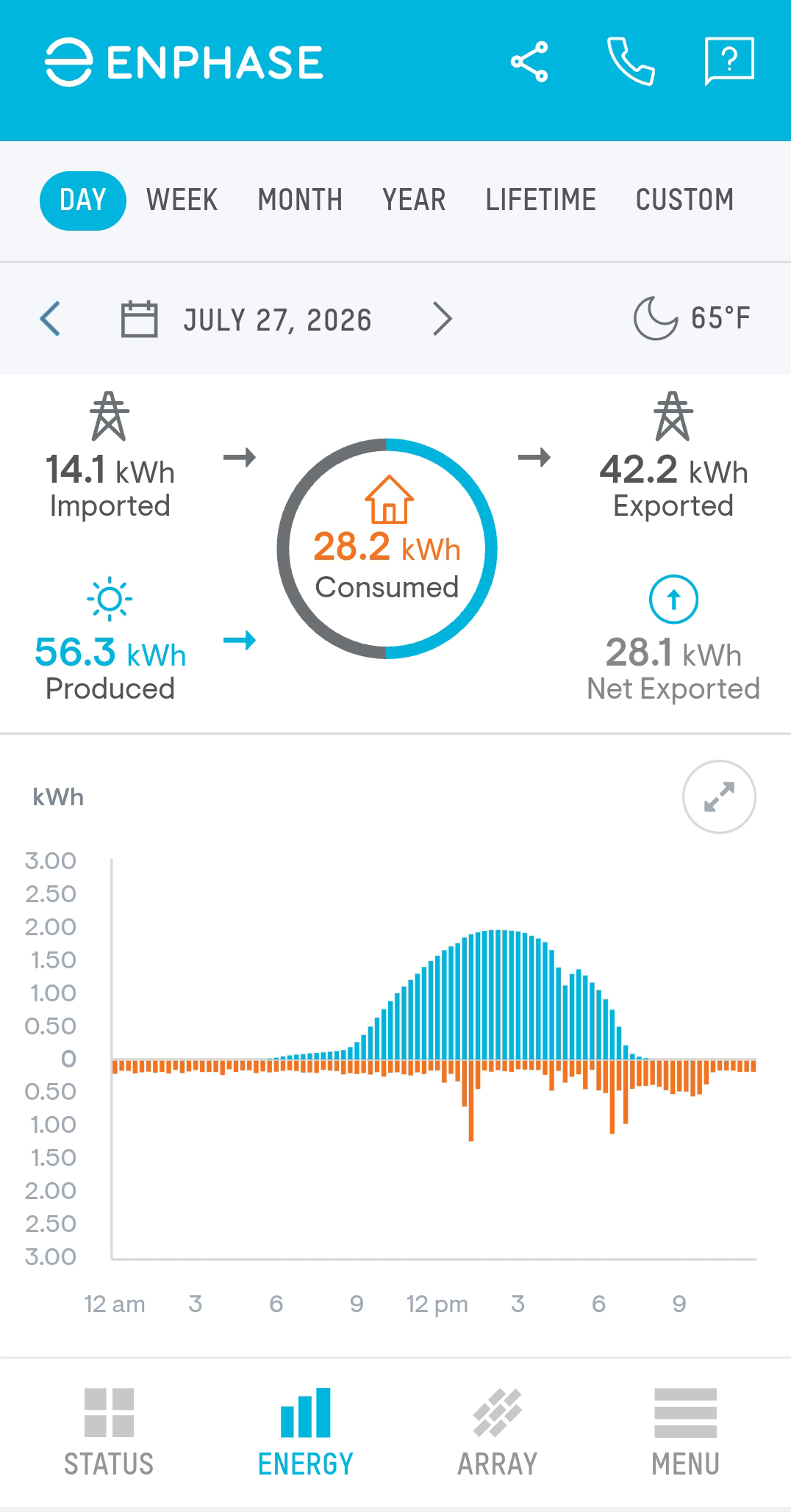
Solar PV panels may be able to power all or much of your home’s entire electricity needs.
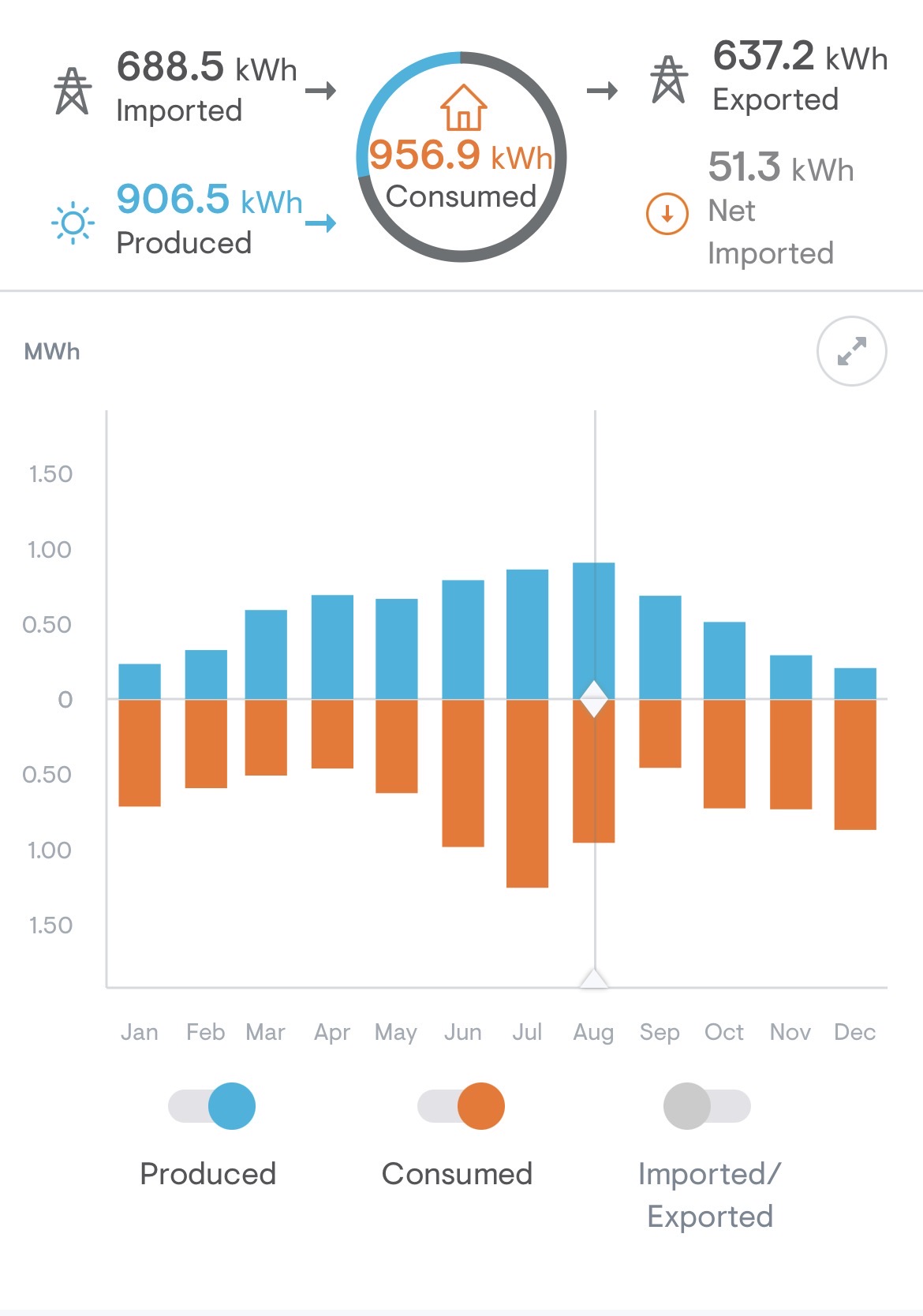
Depending on the size of the array. Your system will provide clean energy that can be used for all your lights and appliances, for “cold climate” electric heat pumps for home heating and cooling (thus reducing the operating cost of 210heat pumps), and for charging your electric vehicles. This is especially true in spring and summer when solar panels are at peak efficiency. The solar generation credits, through net-metering, may result in $0 electricity bills during high sun months and possibly additional payments (from the SMART program) for producing energy. Zero electricity bills are much less likely in winter, when solar panels receive less light during the day and may occasionally be covered with snow.